
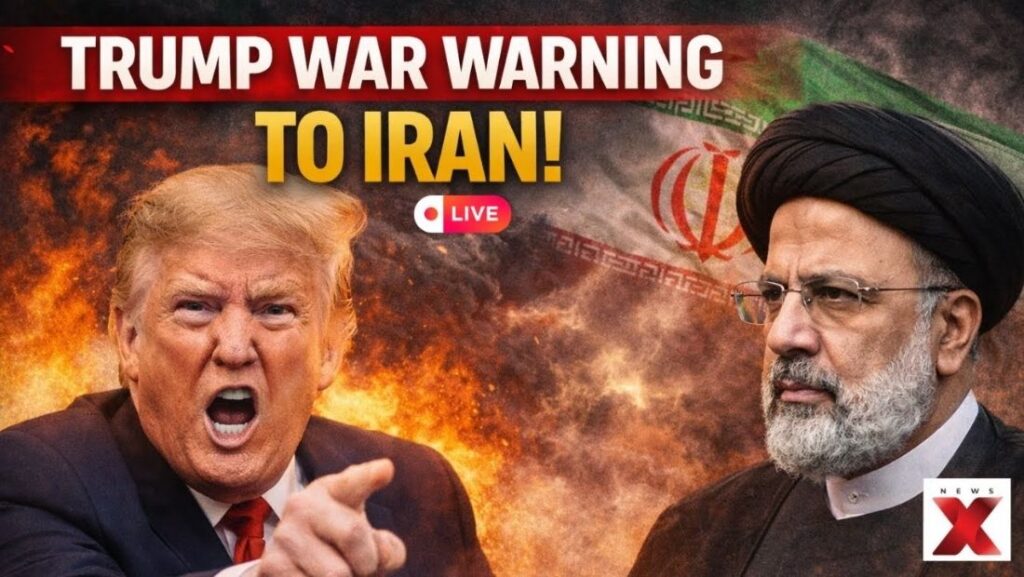
The 2026 military strikes marked a major escalation involving Israel and the United States against Iran, reshaping regional and global security dynamics. The operation was widely viewed as a preemptive move aimed at degrading Iran’s strategic military capabilities.
These actions signaled a shift from indirect pressure to overt military engagement. Analysts described the strikes as limited but high-impact, designed to send a deterrent message rather than trigger a full-scale war.
Iranian naval ships have been destroyed and sunk, Trump says
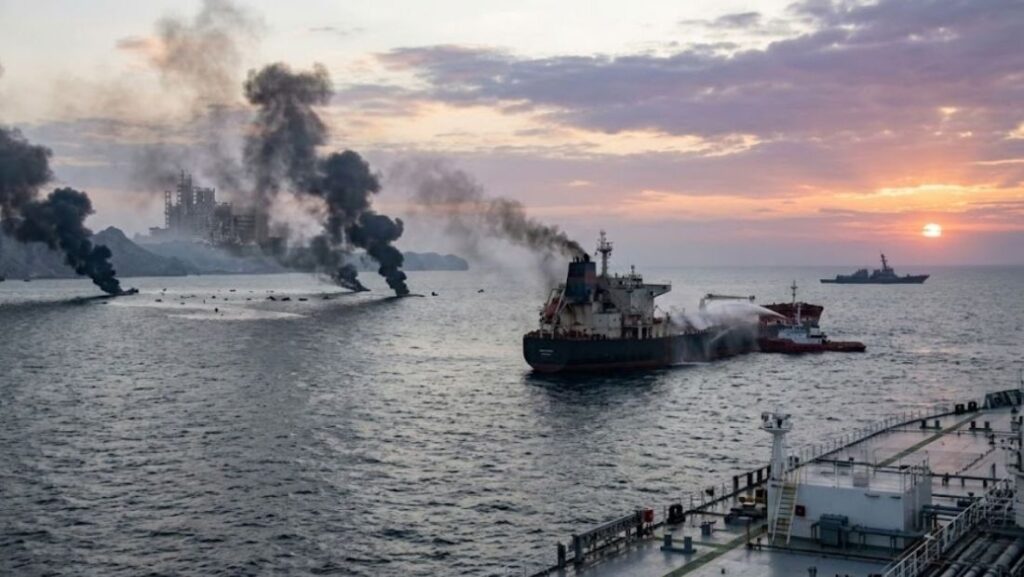
President Donald Trump announced that the United States military has destroyed and sunk nine Iranian naval ships during ongoing military actions against Iran. He claimed these included “some … relatively large and important” vessels and said the campaign to target the rest of Iran’s navy will continue.
Background and Rising Tensions Before the 2026 Escalation
Tensions had been building for years due to disputes over Iran’s missile program, nuclear ambitions, and regional influence. Diplomatic efforts failed to produce lasting agreements, leading to growing mistrust and military posturing.
By early 2026, increased proxy conflicts, cyber operations, and naval incidents pushed the situation closer to open confrontation. The strikes were the culmination of prolonged strategic friction.
Strategic Objectives Behind the Joint Military Operation
The primary objective was to weaken Iran’s ability to project power and to delay or disrupt sensitive military programs. Target selection reflected a focus on long-term strategic degradation rather than immediate territorial gains.
Another goal was deterrence—demonstrating coordinated resolve between Israel and the United States. The operation aimed to recalibrate Iran’s risk calculations without provoking regional collapse.
Read This Blog: 1000+ Cuckquean Captions That Empower
Key Military Targets and Strike Locations in Iran
Strikes reportedly focused on air defense systems, missile infrastructure, and command-and-control facilities. These targets were chosen to limit Iran’s capacity to respond effectively in the short term.
Locations were spread across multiple regions to avoid concentration and to complicate Iranian retaliation. Precision was emphasized to minimize civilian casualties and infrastructure damage.
Role of Intelligence, Surveillance, and Advanced Weaponry
Advanced intelligence-sharing played a critical role, integrating satellite imagery, cyber intelligence, and real-time surveillance. This coordination enhanced accuracy and reduced operational risks.
Next-generation precision-guided munitions and electronic warfare systems were used to bypass defenses. The operation highlighted how modern warfare increasingly depends on data dominance.
Iran’s Immediate Military and Political Response
Iran condemned the strikes as violations of sovereignty and promised retaliation at a time and place of its choosing. Military readiness was elevated, and defensive deployments increased nationwide.
Politically, Iran sought to rally domestic support and international sympathy. Diplomatic channels were activated to frame the strikes as destabilizing acts.
Regional Impact Across the Middle East
The wider Middle East experienced heightened alert levels, with neighboring states reinforcing borders and airspace controls. Proxy groups aligned with Iran signaled potential involvement.
Regional trade routes and shipping lanes faced increased risk, raising concerns about miscalculation and spillover into adjacent conflicts.
International Reactions and Diplomatic Consequences
Global powers expressed concern over escalation, calling for restraint through forums like the United Nations. Emergency diplomatic sessions focused on preventing wider war.
Some allies supported the strikes as defensive, while others warned of long-term instability. Diplomatic divisions underscored deep global polarization.
Effects on Global Security and Energy Markets
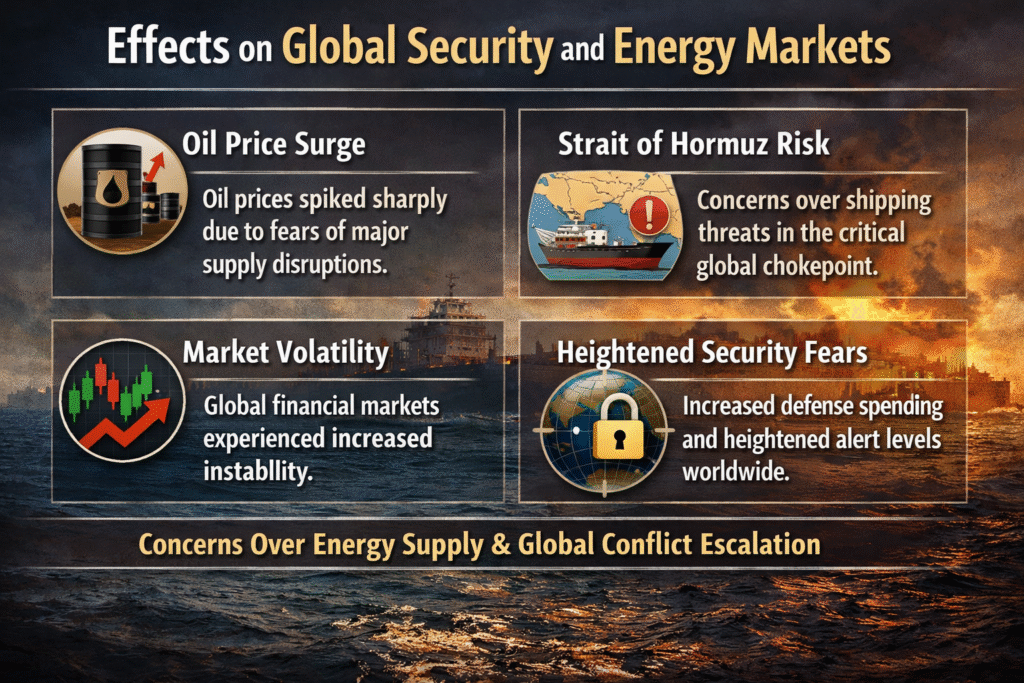
Energy markets reacted with volatility due to fears of supply disruption, especially near the Strait of Hormuz. Oil prices briefly spiked amid uncertainty.
From a security perspective, the strikes reinforced the fragility of deterrence in multipolar conflicts. Defense spending and risk assessments rose worldwide.
Potential Future Scenarios and Conflict Outlook
Possible scenarios range from limited tit-for-tat responses to renewed negotiations under international pressure. Much depends on Iran’s chosen response and diplomatic mediation efforts.
While full-scale war remains unlikely, sustained low-intensity conflict is a realistic risk. The situation continues to test global crisis-management mechanisms.
FAQ’s
Why did Israel and the United States strike Iran in 2026?
To deter perceived strategic threats and degrade specific military capabilities.
Were the strikes limited or large-scale?
They were designed as limited, precision-focused operations.
Did the strikes target nuclear facilities?
Reports suggest indirect targeting of supporting infrastructure rather than core facilities.
How did global markets respond?
Markets saw short-term volatility, especially in energy prices.
Is a wider war expected after 2026?
Most analysts believe escalation can be contained, but risks remain.
Final Thought
The 2026 strikes carried out by Israel and the United States against Iran represent a critical turning point in modern Middle Eastern geopolitics. Rather than triggering immediate large-scale warfare, the operation highlighted a strategic preference for precision, deterrence, and controlled escalation in an increasingly complex security environment.
Overall, the conflict underscored how fragile regional stability remains and how quickly localized actions can have global consequences. With diplomatic channels still active and international pressure mounting, the long-term outcome will depend on restraint, negotiation, and effective crisis management to prevent prolonged instability.